Few garden projects promise as much as a small packet of wildflower seed. A few grams, a patch of bare ground, and by midsummer you have colour, bees and something that looks like a corner of an old hay meadow. Then the next spring arrives and the same patch is mostly grass. That is usually the moment people realise they bought an annual mix — and begin wondering whether a perennial one would have been the better buy.
What Is Actually in Each Type of Mix
Annual mixes are built around cornfield flowers: cornflower, corn marigold, corn poppy, corn cockle and field chamomile. Every one of them completes its whole life in a single season. You sow, they grow, they flower, they set seed and they die, all within a few months.
Perennial mixes work on a different clock. Ox-eye daisy, common knapweed, yarrow, meadow buttercup, red clover, bird's-foot trefoil, lady's bedstraw and field scabious are plants that live for years, dying back each winter and returning in spring. Many mixes also include yellow rattle, a short-lived plant that attaches itself to grass roots and weakens them — handy for keeping a meadow open.
There is a third group worth knowing about. Biennials such as wild carrot, teasel and dark mullein spend their first year as a leafy rosette, flower in their second, then die — usually after scattering enough seed to keep themselves going.
Lifespan: One Summer or a Slow Burn
Annuals give you everything in year one. That is their great strength and their limitation. If the ground is bare when the seed lands, you can have flowers within ten to twelve weeks of sowing. Let the seed heads ripen and some will return the following year, but only if the soil is disturbed again. Poppies in particular need moved, bare ground to germinate. In a patch left undisturbed, an annual mix quietly fades away.
Perennials are slower and far more durable. In the first year they mostly build roots and leaves, so expect a modest display. Year two brings the first proper flowering, and from year three onwards a well-managed perennial meadow starts to look as though it has always been there. With an annual late-summer cut, a perennial patch can keep going for many seasons. Plan on a five-year horizon rather than a single summer.
Cost: Cheap Packets Can Be the Dearer Habit
Annual seed is inexpensive and sold in generous quantities; perennial seed costs noticeably more per gram, and mixes often come with lower sowing rates. But annual means buying again every spring, and preparing bare ground again. Spread those costs across five years and a single perennial sowing usually works out cheaper.
What you are really paying for either way is good ground preparation. The most common reason a sowing fails is competition from existing grass and weeds, not poor seed. It is also worth paying a little more for UK native-origin seed. Cheap mixes sometimes contain non-native strains or agricultural varieties — not a disaster in a garden bed, but provenance matters if you live near wildflower-rich countryside, where you should avoid sowing anything at all.
Maintenance: Different Jobs in Different Months
The two types ask for quite different work, and at different times of year.
- Annual patch: clear or lightly fork the ground in early spring or September, scatter seed onto bare soil and firm it in. Leave the last flowers to set seed if you want a chance of a repeat next year.
- Perennial meadow: the main job is the summer cut. Take the growth down in late summer once most flowers have set seed, and remove the cuttings.
- Both: don't feed, don't add compost, and don't water with anything rich. Fertility encourages grass at the expense of flowers.
- If grass takes over: cut and clear more often, or introduce yellow rattle to weaken it.
- Winter: leave some stems standing for overwintering insects and seed-eating birds, then tidy the rest in early spring.
Wildlife Value: Nectar Now, Habitat Later
Annuals are brilliant at one thing: producing a large amount of nectar and pollen in a single long flush. Bees, hoverflies and butterflies find a cornfield patch quickly, and it will hum on a warm July afternoon. What it does not offer is anywhere to live or breed — no tussocks, no hollow stems standing through winter, no seed heads in November.
Perennials deliver a more complete habitat. Different species flower at different times, so the season stretches from late spring into autumn. Bird's-foot trefoil feeds common blue caterpillars, knapweed and field scabious are magnets for bees and moths, and their seed heads feed goldfinches into the winter. Beetles and spiders shelter at the base of tussocky grasses. If wildlife is your main reason for sowing, perennial is the better long-term investment, with annuals as a first-year bonus.
Which One Fits Your Garden?
Sow an annual mix if you have a small bed, a border gap, a couple of pots or a patch you will dig over anyway. It suits anyone who wants flowers this year, who is happy to re-sow each spring, and who gardens on soil on the fertile side — cornfield flowers cope with richness better than most meadow perennials.
Sow a perennial mix if you have a larger sunny area, poor or average soil, and no plans to move house. It rewards patience and a willingness to cut and clear every late summer. On rich ground, expect to spend a couple of years knocking back grass before the flowers win.
Getting the Best of Both
You do not have to choose. Many suppliers sell mixes that combine both, and you can make your own by adding a small proportion of cornfield annuals to a perennial sowing. The annuals act as a nurse crop: they flower in the first summer while the perennials are still finding their feet, then fade as the slower plants take over.
A practical sequence for a new patch:
- Choose the sunniest spot you have and clear perennial weeds — couch grass, bindweed and docks — over several weeks before sowing.
- Create a fine, firm, bare seedbed. Rake, tread, rake again.
- Mix the seed with dry sand so it spreads evenly, then sow at the rate on the packet.
- Firm the seed in and keep the surface moist for the first few weeks.
- Mow the first year's growth a couple of times to control weeds, removing the cuttings each time.
- From the second year, cut once in late summer and clear the hay.
If you have room for only one patch and want a straight answer: sow perennial, scatter a few annuals through it for the first summer, buy the best native seed you can afford, and give it a year before judging the result. The annuals will carry you through that first season. The perennials will carry you for years afterwards.
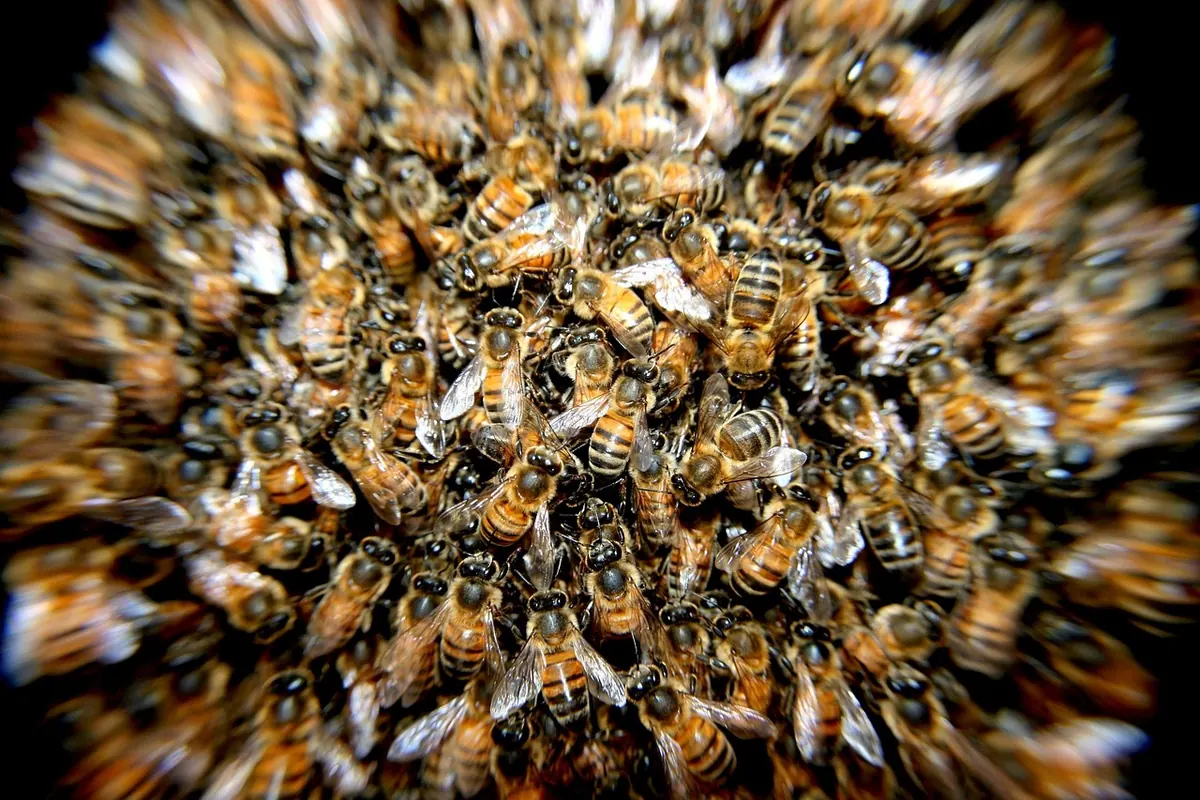
Photo: Alexas_Fotos / Pixabay