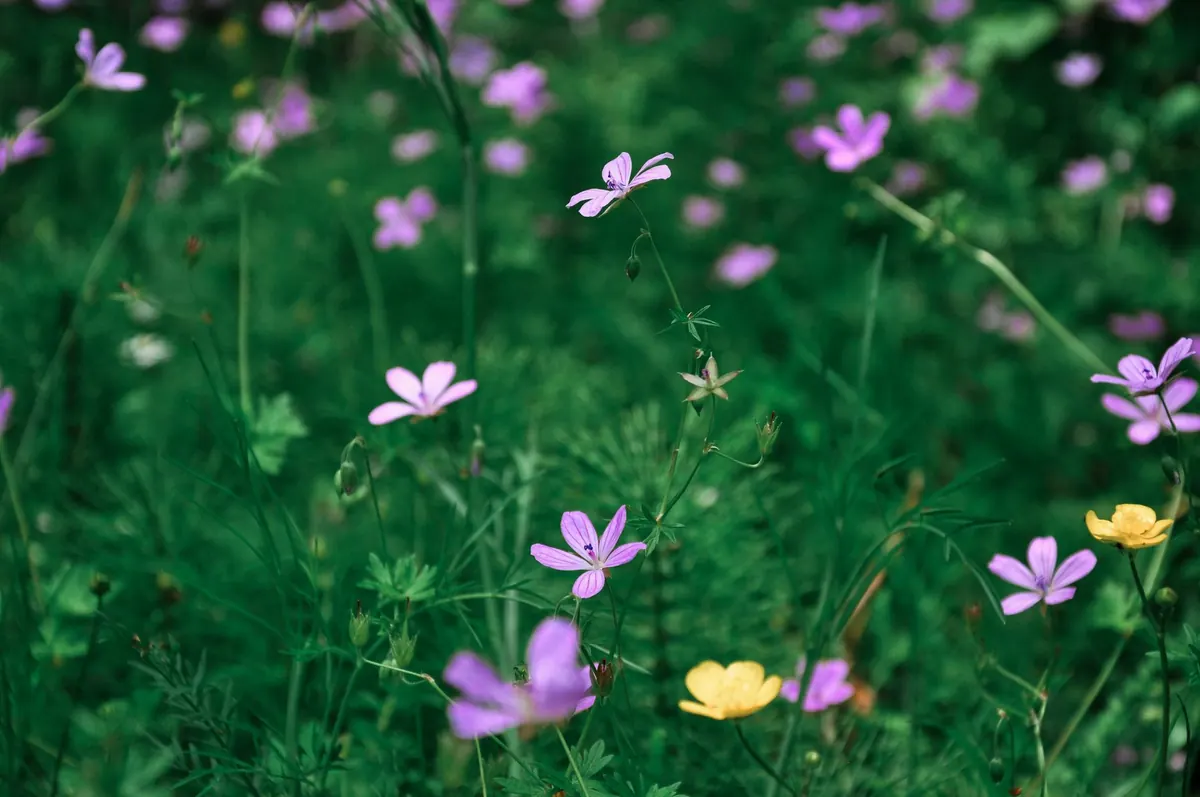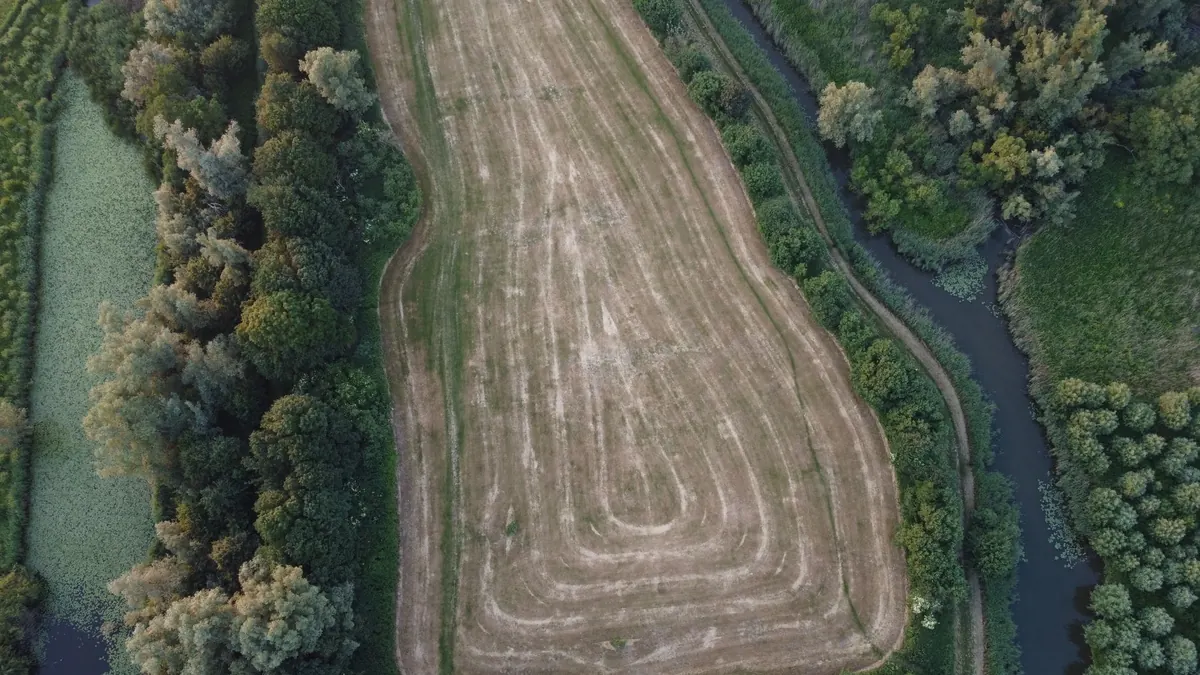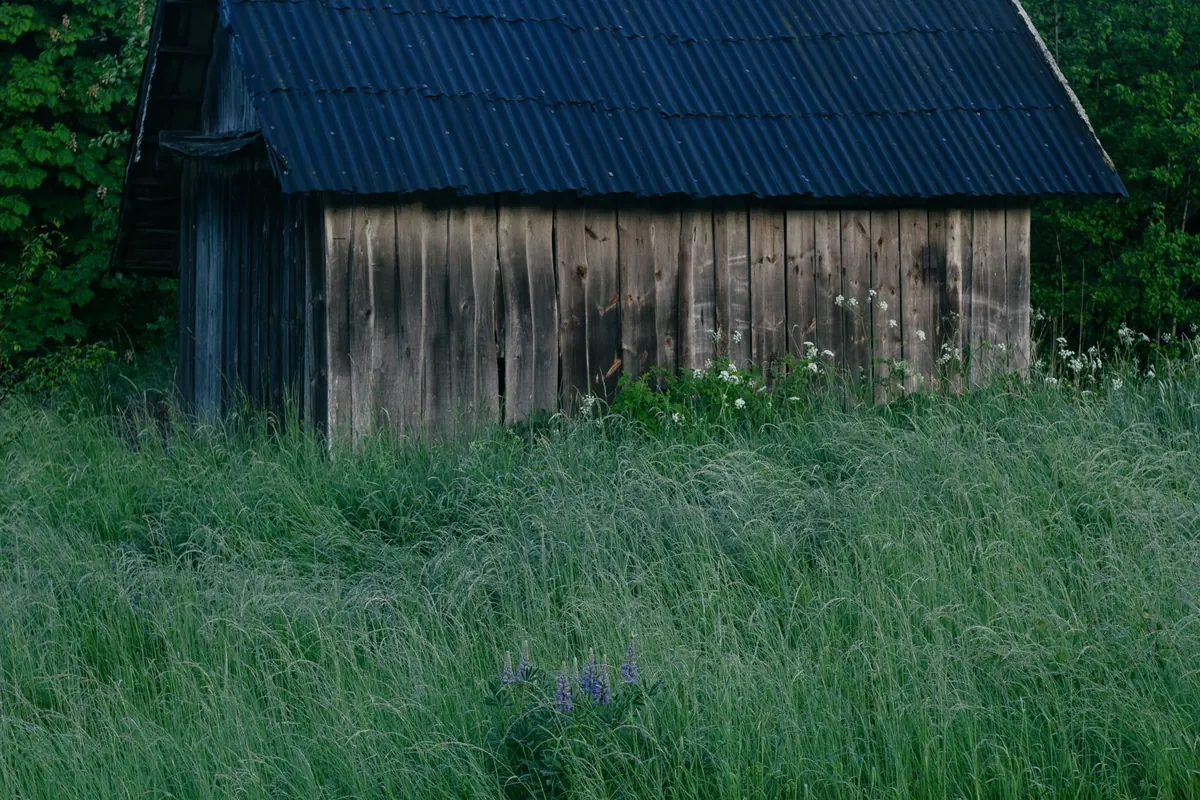
A wildflower meadow is one of the most rewarding things you can create, whether you have a paddock, an old orchard or a strip of lawn you are tired of mowing every week. It is also surprisingly easy to get wrong. Most failures have little to do with bad luck or poor seed. They come from a handful of repeated errors that are straightforward to avoid once you know about them.
Here are the ten that trip people up most often, and what to do instead.
Mistake 1: Treating Wildflowers Like Border Plants
Wildflowers are tougher than they look. Ox-eye daisy, knapweed, bird's-foot trefoil and salad burnet all evolved on thin, hungry ground where grasses struggle to dominate. Enrich the soil and you enrich the grasses, which then smother everything else within a season or two.
That means no compost, no well-rotted manure and no general fertiliser. If your site has been a lawn, a vegetable plot or a flowerbed for years, it is almost certainly too fertile already. Three ways to bring it down:
- Strip the top 5–10cm of soil and sow onto the exposed subsoil.
- Grow a hungry crop such as mustard or rye for one season, cut it and remove it, then sow into the stubble.
- Sow cornfield annuals for a year or two — poppies, cornflower, corn marigold — to draw fertility out while giving you some colour.
The discipline continues after sowing. Every cut you take away removes nutrients. Every cut you leave behind puts them straight back.
Mistake 2: Sowing a Mix That Doesn't Match the Site
A packet labelled "wildflower mix" tells you very little. Many blends are dominated by cornfield annuals that flower once and vanish, or by species that want chalk or sand when your ground is heavy clay. Read the species list and the soil notes before you buy.
Check soil and light first
Look at what you actually have: clay that sits wet all winter, free-draining sand, chalk, or damp ground near a ditch. Then check the light. Most meadow flowers need full sun, though red campion and wood cranesbill will manage in part shade. Native UK seed from a supplier who can name the region it came from will establish more reliably and feed local insects far better than an imported blend.
Make room for yellow rattle
Yellow rattle (Rhinanthus minor) is the most useful plant in a new meadow. It parasitises grasses, weakening them and opening gaps for flowers. It needs a spell of cold to germinate, so sow it in autumn with the rest of the mix and give it two growing seasons before you judge whether it has taken.
Mistake 3: Sowing at the Wrong Time — or Sowing Badly
A sowing made in late May or June usually fails. The seedlings come up into dry weather with almost no root system, and the existing grasses win. Stick to two windows:
- Late August to mid-September, while the soil is still warm and rain is likely.
- March to early April on light, free-draining ground — but be ready to water if the weather turns dry.
Technique matters just as much. Prepare a fine, firm, weed-free seedbed. Mix small seed with dry sand or compost so you can see where it lands, then sow at the rate on the packet — usually around 2–4g per square metre for a meadow mix. Press it in with a roller or by treading, so the seed makes contact with soil instead of sitting on matted grass. Seed buried too deep will not come up; seed scattered too thinly leaves gaps for weeds to fill. If no rain arrives for a week, water gently in the evening.
Mistake 4: Mowing Too Early — and Leaving the Cuttings Behind
The commonest single error in meadow care is cutting a new sowing in its first spring. Those young plants have spent the winter building roots, not top growth, and an early cut removes the leaves they need to keep going. Leave the first cut until late summer, once the flowers have set seed, then take it down to about 5cm and rake off every bit of cut material.
Once the meadow is established, a traditional pattern suits most sites:
- One main cut in late summer, between July and September, with the hay removed.
- A second cut or a short spell of grazing in autumn if growth is strong.
- Nothing over winter — seed heads and tussocks shelter insects and birds.
Never leave cuttings lying on the ground. They smother the plants underneath and return exactly the fertility you have been trying to remove. A hay rake and a tarpaulin are worth the effort.
Mistake 5: Letting Weeds and Scrub Win the First Two Years
Docks, thistles, nettles, creeping buttercup and ragwort will all outgrow a young meadow. Deal with as many as you can before sowing: cultivate the ground two or three times over a few weeks, letting each flush of weed seedlings germinate and be killed off. This stale seedbed approach removes a good part of the seed bank already sitting in your soil.
Afterwards, walk the meadow regularly with a fork and lift out perennials while the ground is soft after rain. Ragwort is poisonous to livestock, so if animals graze the site, remove plants before they set seed, wear gloves and wash your hands afterwards. Brambles and coarse grass creeping in from a boundary usually mean nutrients are arriving from somewhere — a hedge bank, a path, next door's lawn feed. Cut a narrow edge and keep it cut.
Mistake 6:
Photo: Plato Terentev / Pexels